Emergency Water Planning for Facilities
Water service can be disrupted by earthquakes, severe weather, power outages, infrastructure damage, contamination, or other emergencies. Schools, workplaces, warehouses, healthcare facilities, and public agencies should plan for both immediate drinking-water distribution and larger stored-water requirements.
Two Approaches to Emergency Water Storage
Most organizations use a combination of:
- Ready-to-drink emergency water in sealed pouches, cans, bottles, or cartons for immediate distribution
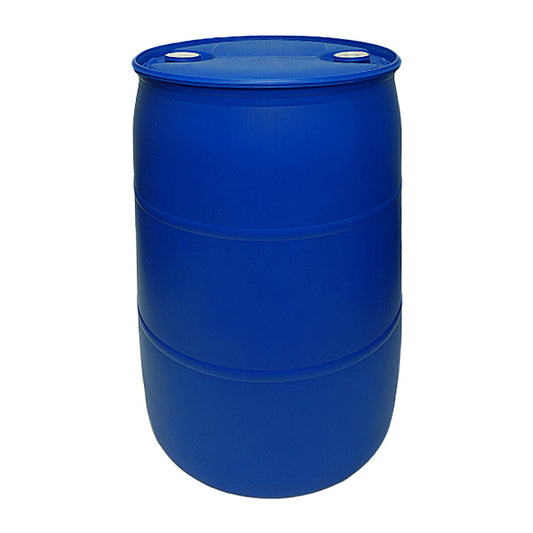
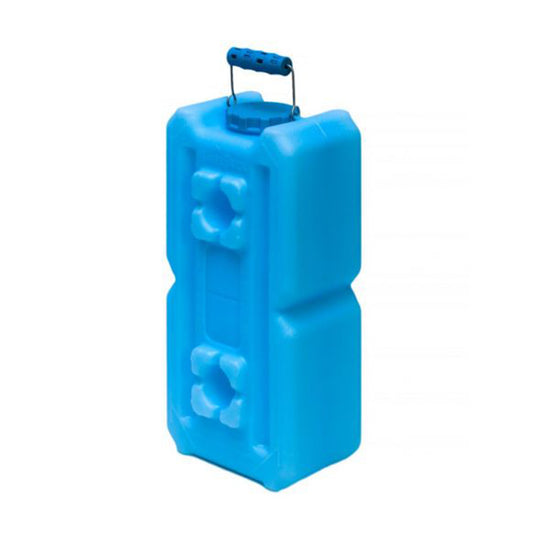
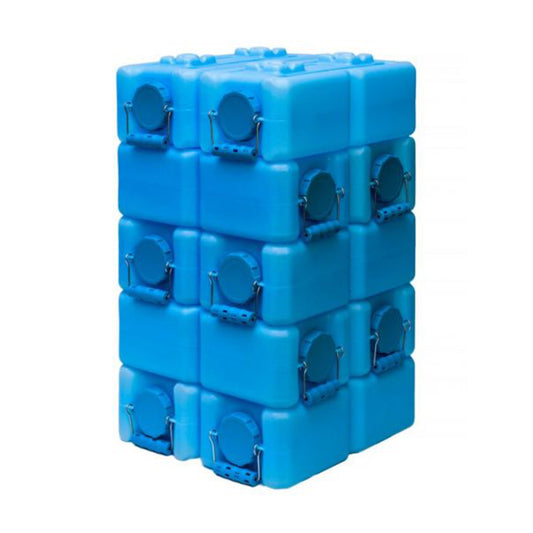
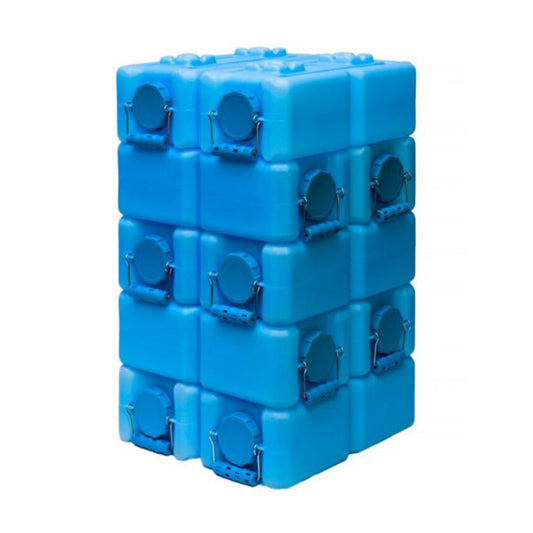
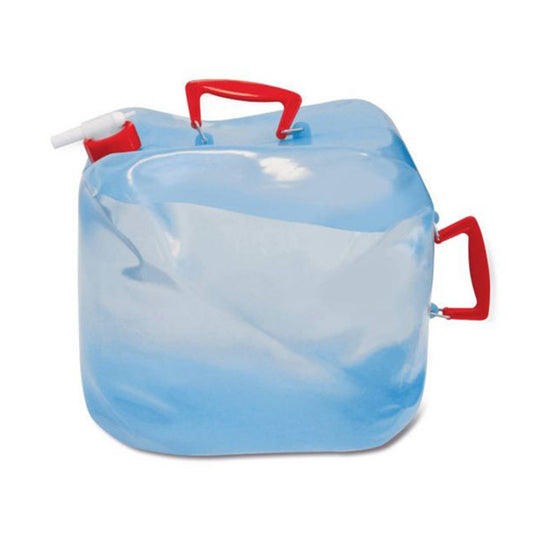
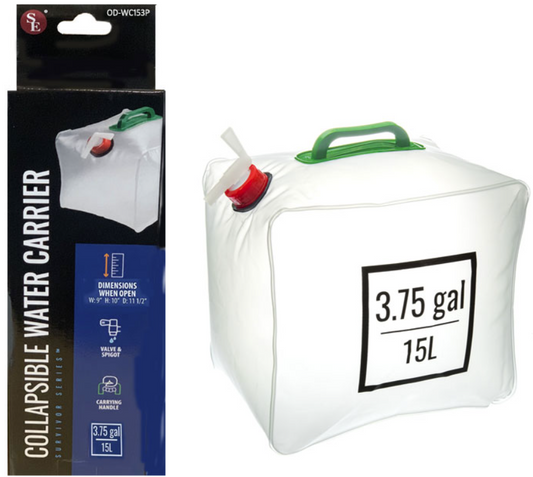
- Barrels and other storage containers for maintaining larger, more economical water reserves
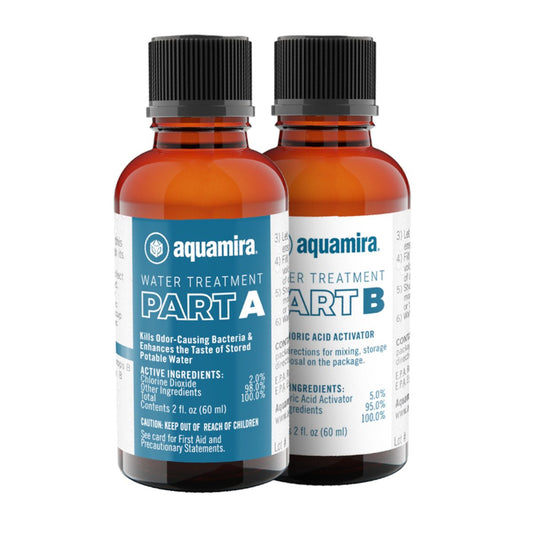
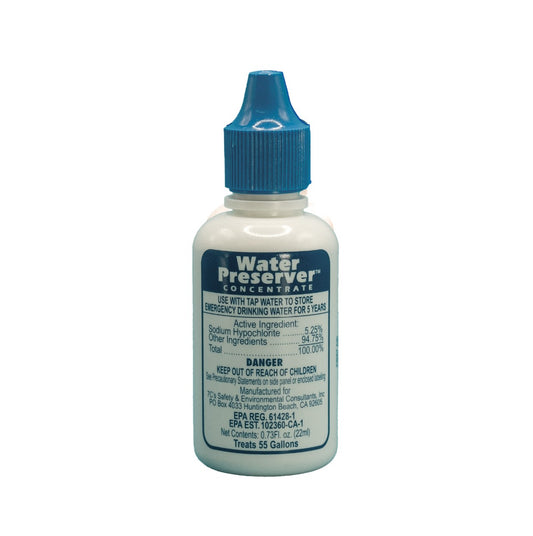
- Purification and treatment products as a supplemental option when stored or otherwise available water must be treated
Using more than one format can provide greater flexibility across classrooms, departments, buildings, vehicles, storage areas, and emergency distribution points.
How Much Water Should Be Stored?
Ready.gov recommends storing at least one gallon of water per person per day for several days for drinking and sanitation. Actual requirements may be higher based on climate, medical needs, food preparation, facility operations, and the people being supported.
Organizations should calculate water needs using the maximum expected number of employees, students, visitors, contractors, or other occupants and the number of days addressed by the emergency plan.
Choosing a Storage Format
Emergency water pouches and other small sealed containers are easy to distribute and useful in individual kits, classrooms, vehicles, departments, and evacuation supplies.
Larger bottles, cans, and cartons can support centralized distribution while remaining ready to use.
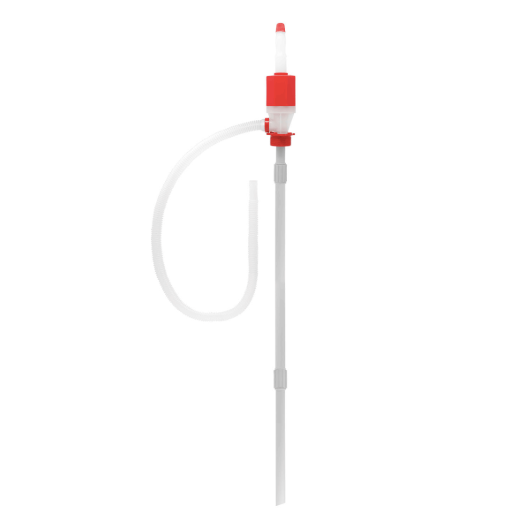
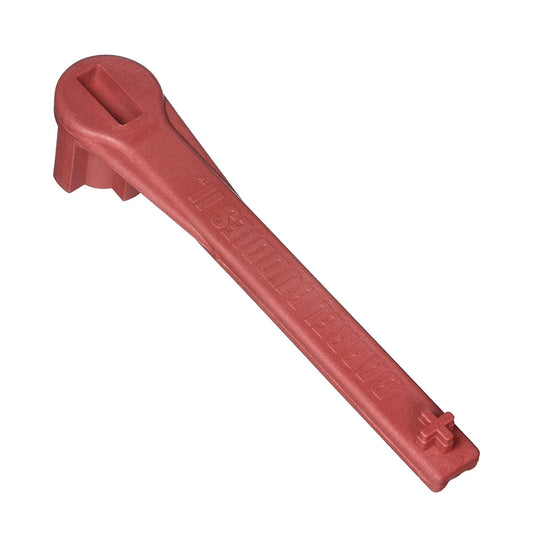
Water-storage barrels and containers provide a more economical way to maintain larger reserves but require suitable storage space, filling, treatment, inspection, and rotation procedures.
Storage and Maintenance
Store emergency water in cool, accessible locations away from direct sunlight, chemicals, pests, and temperature extremes. Avoid placing the entire supply in a location that might become inaccessible during an emergency.
Shelf life and maintenance requirements vary by product. Follow the manufacturer’s storage instructions and date markings for sealed emergency water. Sanitize, fill, treat, inspect, and rotate water-storage containers according to their instructions and your organization’s emergency plan.
Planning Water for Multiple Buildings or Locations
Large facilities may benefit from distributing water among several protected storage areas instead of relying on one central location. Consider accessibility, floor or building assignments, available transport equipment, storage capacity, and how water will be distributed during an incident.
Need Help Planning Your Emergency Water Supply?
We can assist with headcount calculations, product selection, barrels and accessories, multi-location delivery, volume pricing, purchase orders, and procurement documentation.
Request a quote
Frequently Asked Questions
What is the difference between emergency drinking water and water-storage barrels?
Emergency drinking water arrives sealed and ready to distribute. Barrels and other storage containers allow organizations to store larger quantities more economically but require filling, treatment, maintenance, and a distribution plan.
Should an organization use more than one water format?
Often, yes. Smaller sealed containers can support immediate or distributed access, while barrels and larger containers can provide greater reserve capacity.
Where should emergency water be stored?
Store it in cool, protected, accessible locations. Large organizations may want supplies distributed among multiple buildings, floors, departments, or designated emergency storage areas.
Do water-storage containers require maintenance?
Yes. Follow the container manufacturer’s instructions for sanitation, filling, treatment, inspection, and water rotation.
How long does sealed emergency water last?
Shelf life varies by product and packaging. Use the manufacturer’s date markings and storage instructions rather than applying one shelf-life estimate to every product.