Choosing Emergency Food Bars
Emergency food bars provide compact, ready-to-eat calories without requiring refrigeration, cooking, heating, water, or utensils. They are commonly stored in classrooms, offices, vehicles, emergency kits, rolling bins, evacuation supplies, and facility emergency-storage areas.
Calorie Size and Packaging
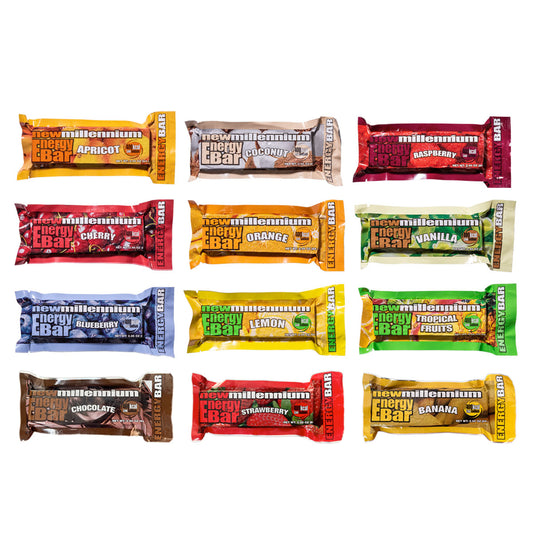
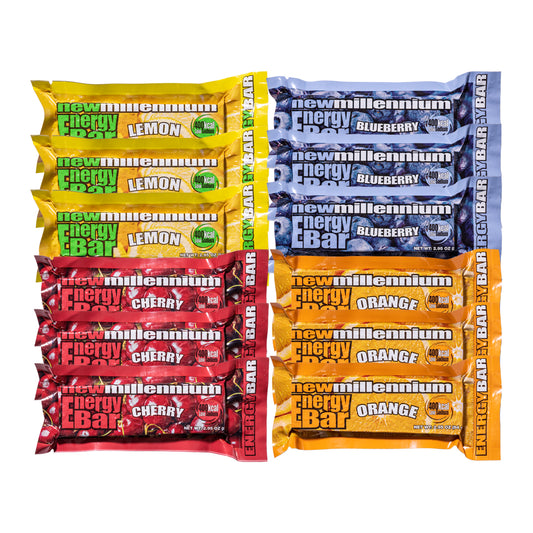
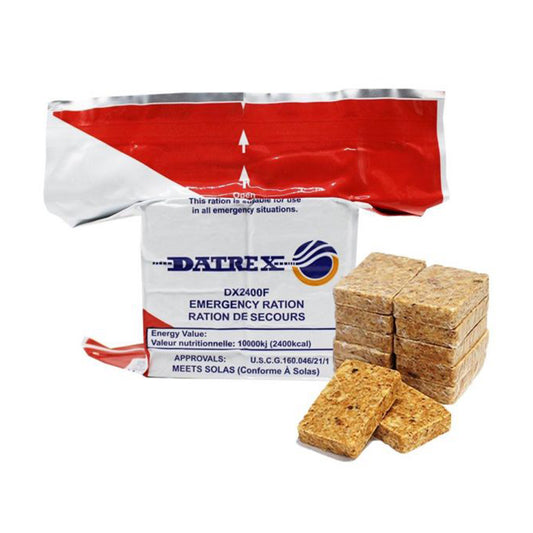
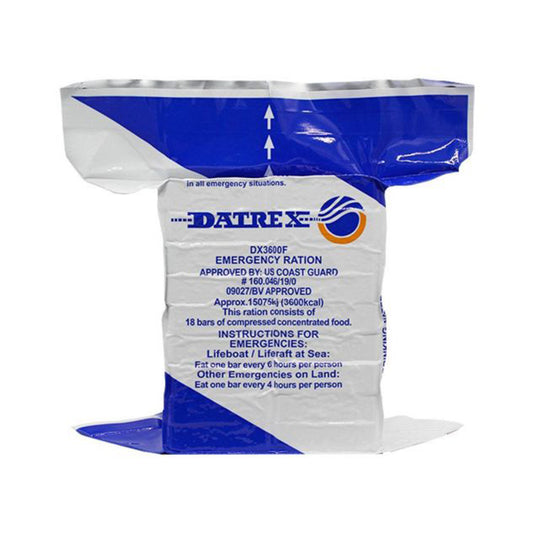
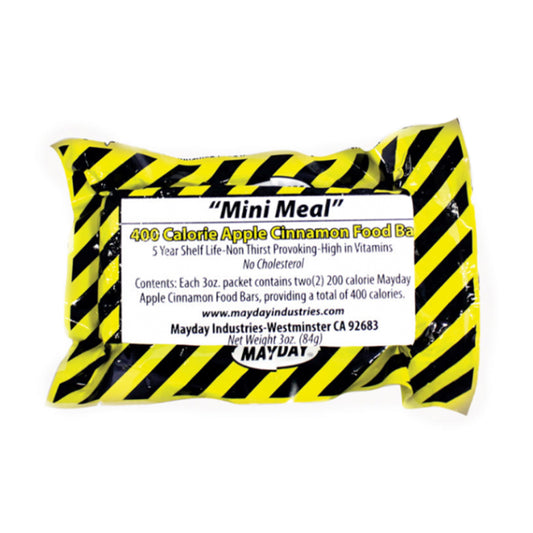
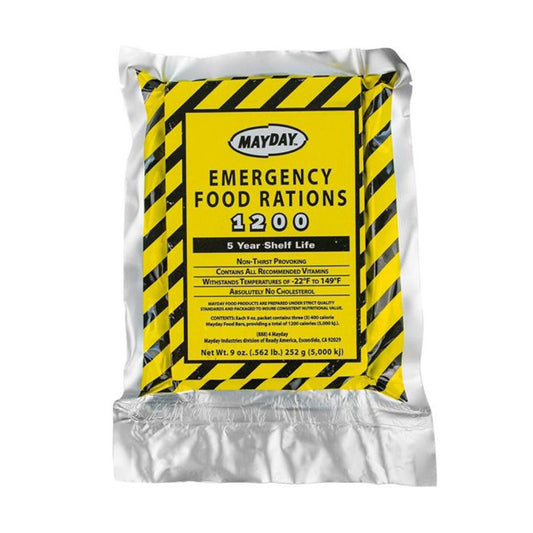
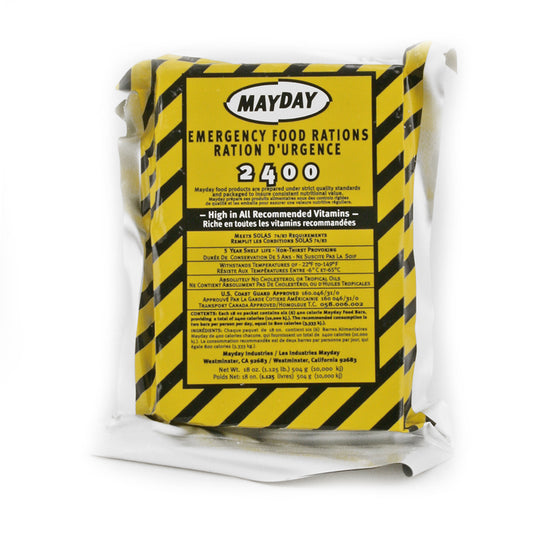
Food bars are available in different calorie sizes, flavors, package formats, and internal portion configurations. Smaller individually wrapped bars are useful for student kits, personal kits, and controlled distribution. Larger multi-serving packages may be more practical for group kits and institutional storage.
Review each product’s calorie content, serving instructions, ingredients, certifications, packaging, and stated shelf life before calculating quantities. Do not assume that every bar or package represents the same number of meals or days of nutrition.
Planning Quantities
Calculate quantities using:
- Maximum expected occupancy
- Planned emergency duration
- Calories or servings provided by the selected product
- Age and needs of the intended population
- Dietary and allergy requirements
- Distribution locations and procedures
- Available emergency drinking water
Food bars provide calories but do not replace drinking water. Emergency water should be stored separately as part of the same preparedness program.
For pre-calculated food and water quantities, shop 72-Hour Emergency Ration Kits.
Storage and Rotation
Store food bars indoors in a cool, dry location away from sunlight, moisture, pests, chemicals, and extreme temperatures. Inspect supplies regularly and follow the manufacturer’s date markings and storage instructions.
Use a first-in, first-out inventory process and plan replenishment before products reach the end of their recommended shelf life.
Organization and Institutional Purchasing
Food bars are available individually, by the case, and in larger program quantities. More Prepared supports schools, workplaces, healthcare facilities, government agencies, shelters, public safety organizations, and multi-site preparedness programs.
Purchase orders, tax-exempt purchasing, volume pricing, case and pallet quantities, contract purchasing, vendor documentation, and coordinated delivery are available for qualifying organizations.
Request an emergency food bar quote →
quotes@moreprepared.com | 888.733.7245