Collection: Emergency Food Supplies
Organizations use emergency food to provide ready-to-store nutrition for situations where normal food access is disrupted during an emergency. These products are used in schools, workplaces, warehouses, healthcare facilities, and public agencies to support occupants during extended emergencies, shelter-in-place events, or disaster situations.
Designed for long shelf life and easy storage, emergency food helps organizations plan for the unexpected.
-
Mountain House Mexican-Style Adobo Rice & Chicken (Gluten-Free) - Pouch
Regular price $11.99Regular priceUnit price / perSale price $11.99 -
Mountain House Creamy Macaroni and Cheese - Pouch
Regular price $10.99Regular priceUnit price / perSale price $10.99 -
Mountain House Chicken Teriyaki with Rice (Gluten-Free) - Pouch
Regular price $11.99Regular priceUnit price / perSale price $11.99 -
Mountain House Lasagna with Meat Sauce - Pouch
Regular price $11.99Regular priceUnit price / perSale price $11.99 -
Mountain House - Granola with Milk and Berries
Regular price $7.69Regular priceUnit price / perSale price $7.69 -
Mountain House Pad Thai with Chicken - Pouch
Regular price $11.99Regular priceUnit price / perSale price $11.99 -
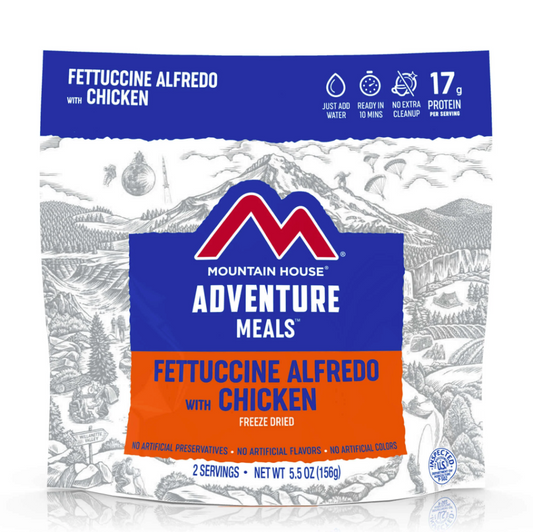
Mountain House Fettuccine Alfredo with Chicken - Pouch
Regular price $11.99Regular priceUnit price / perSale price $11.99 -
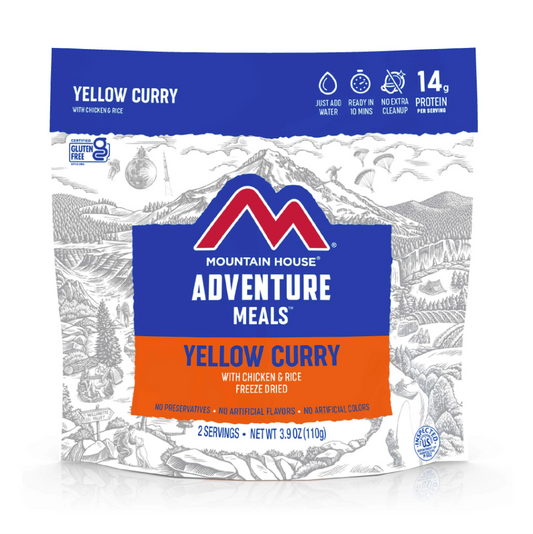
Mountain House Yellow Curry with Chicken & Rice (Gluten-Free) - Pouch
Regular price $11.99Regular priceUnit price / perSale price $11.99 -
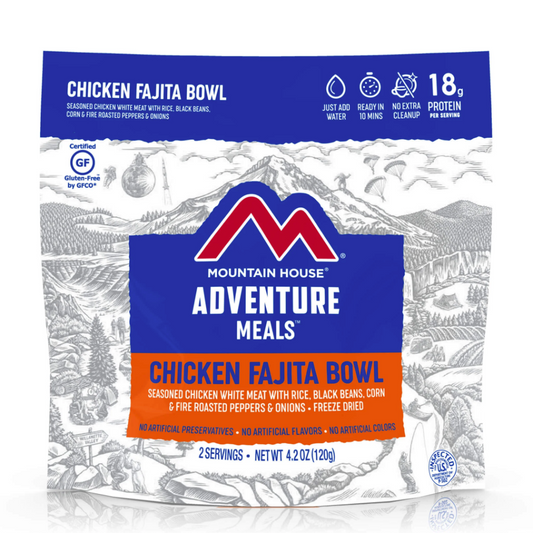
Mountain House Chicken Fajita Bowl (Gluten-Free) - Pouch
Regular price $11.99Regular priceUnit price / perSale price $11.99 -
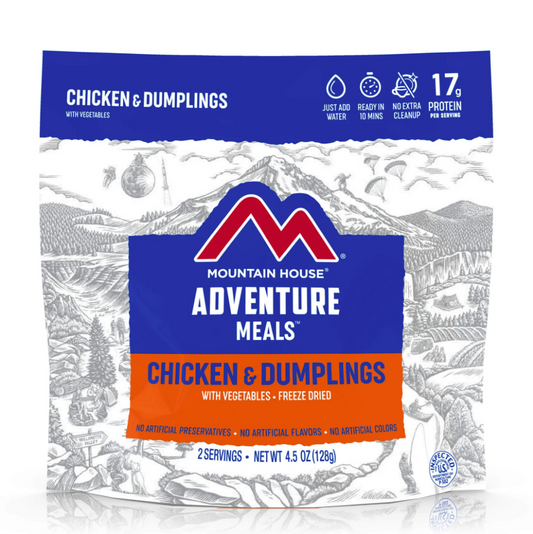
Mountain House Chicken and Dumplings - Pouch
Regular price $11.99Regular priceUnit price / perSale price $11.99 -
Mountain House Homestyle Chicken Noodle Casserole - Pouch
Regular price $11.99Regular priceUnit price / perSale price $11.99 -
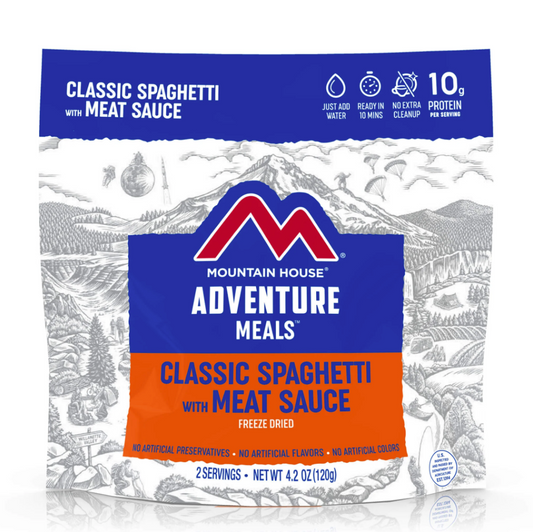
Mountain House Classic Spaghetti with Meat Sauce - Pouch
Regular price $11.99Regular priceUnit price / perSale price $11.99 -
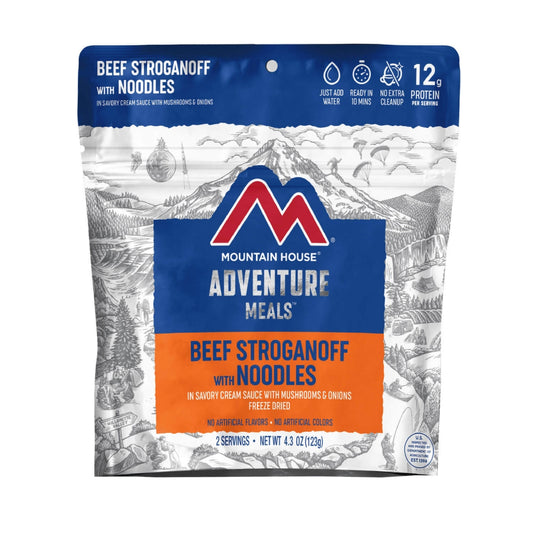
Mountain House Beef Stroganoff - Pouch
Regular price $11.99Regular priceUnit price / perSale price $11.99 -
Mountain House Buffalo Style Chicken Mac & Cheese - Pouch
Regular price $11.99Regular priceUnit price / perSale price $11.99 -
Mountain House Scrambled Eggs with Bacon (Gluten-Free) - Pouch
Regular price $9.99Regular priceUnit price / perSale price $9.99 -
Mountain House Chicken Fried Rice - Pouch
Regular price $11.99Regular priceUnit price / perSale price $11.99
Why Emergency Food Is Part of Emergency Planning
During an extended emergency, access to normal food sources may be limited or unavailable. Power outages, natural disasters, lockdowns, and supply chain disruptions can leave occupants without reliable access to meals.
Emergency food supplies allow organizations to maintain basic nutrition and stability until normal conditions return or assistance arrives.
Designed for Schools, Workplaces, and Public Facilities
Emergency food is commonly stored in:
- Classrooms and administrative areas
- Office buildings and warehouses
- Healthcare and government facilities
- Emergency supply rooms and preparedness closets
These supplies are intended to support groups of people during situations where leaving the building is unsafe or regular food service is interrupted.
Long Shelf Life and Easy Storage
Most emergency food products are selected for their extended shelf life, compact storage, and minimal preparation requirements. This allows facilities to store food supplies for years while maintaining readiness without frequent rotation.
Supports Shelter-in-Place and Disaster Preparedness Plans
Emergency food is often included as part of broader preparedness programs such as:
- Shelter-in-place planning
- Disaster preparedness and continuity plans
- School and workplace emergency procedures
- Public agency emergency supply programs
It helps translate written preparedness plans into practical, on-site resources.
When to Use Emergency Food Supplies
These supplies are used when normal food access is disrupted for an extended period and occupants must remain on site until conditions improve or assistance arrives.
Emergency Food FAQ for Organizations
How much emergency food should a school or workplace store?
A common planning baseline is enough shelf-stable food to support on-site occupants for at least 24–72 hours, depending on your emergency plan, location risks, and whether you expect shelter-in-place or delayed reunification.
What type of emergency food is best for shelter-in-place situations?
For shelter-in-place, choose options that are easy to distribute, require minimal preparation, and store well. Many organizations use a mix of ready-to-eat items plus longer-term options for extended disruptions.
Do emergency food supplies require water or cooking?
Some foods are ready-to-eat, while others require water (and sometimes heat). If water availability is uncertain, prioritize ready-to-eat options and stock water separately as part of your emergency supplies.
Where should emergency food be stored in a facility?
Store food in a cool, dry, accessible location with controlled access—often in a preparedness room, supply cabinet, or distributed storage across buildings/floors. Avoid heat extremes and areas with strong odors or chemicals.
How long does emergency food last in storage?
Shelf life depends on product type and storage conditions. Always follow the “best by” date on the packaging and rotate inventory as part of your preparedness maintenance schedule.
How do we plan quantities for large groups (50–1,000+ people)?
Start with your target duration (e.g., 1–3 days), estimate calories/servings per person per day, then build in a buffer for visitors, staff shifts, and higher activity needs. Many organizations store food in case quantities for easier tracking and distribution.
Is emergency food part of emergency planning requirements?
Requirements vary by organization type and local policy. Even when not mandated, many schools, workplaces, and public agencies include emergency food as part of shelter-in-place planning and continuity readiness.