Collection: Emergency Water & Storage

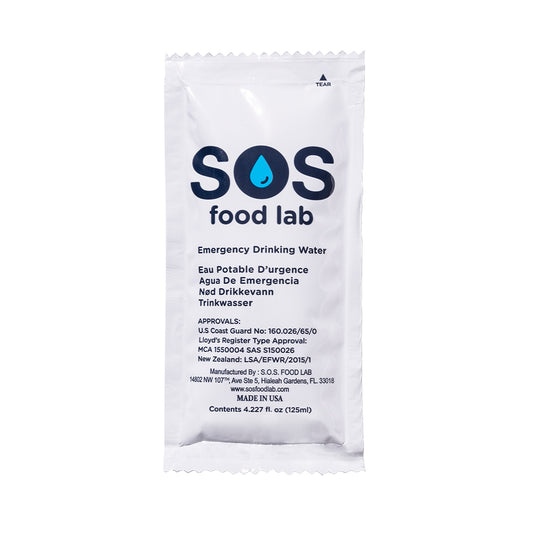
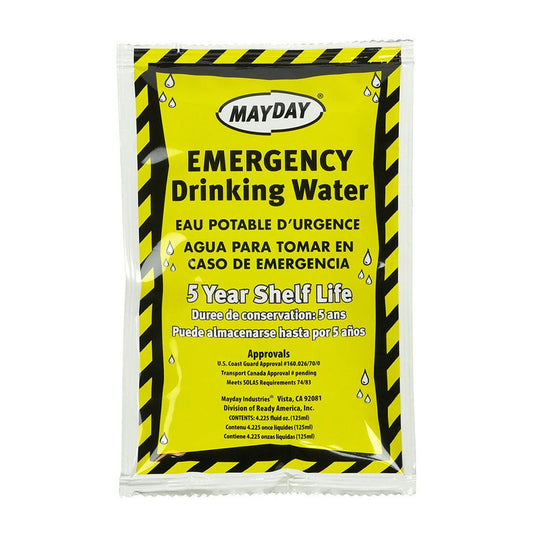
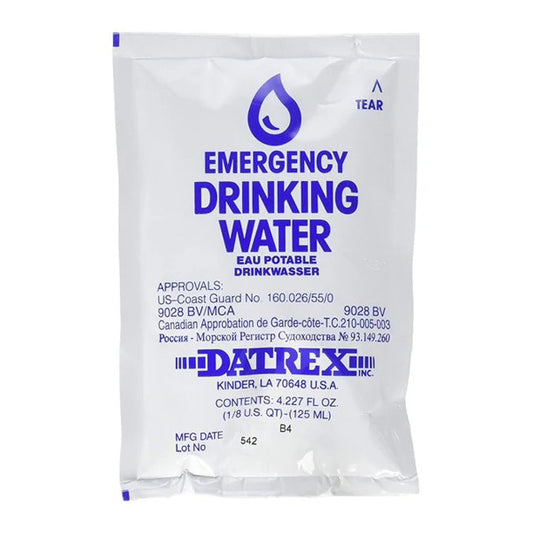
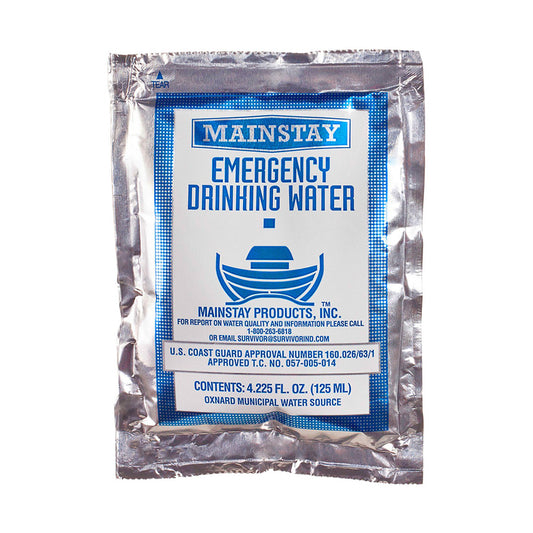
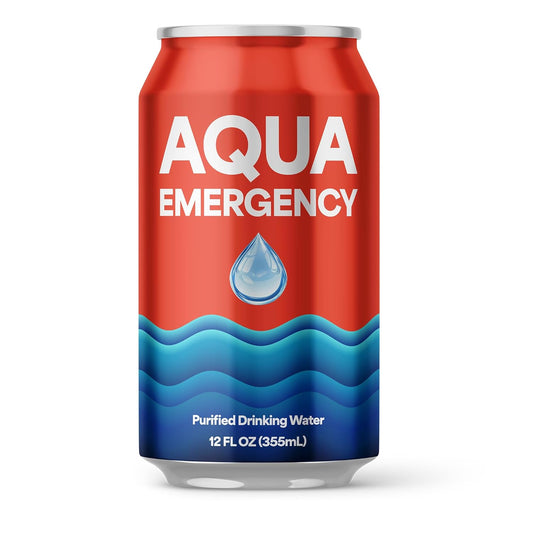
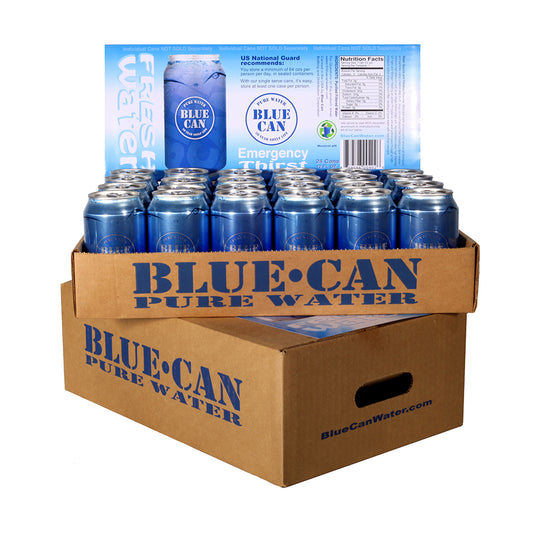
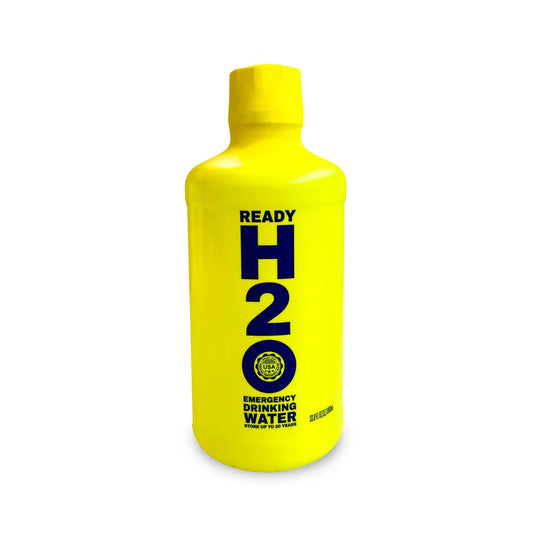
Emergency drinking water and long-term storage solutions provide safe drinking water during disasters, shelter-in-place events, and extended emergencies when normal water access is disrupted. This collection includes both ready-to-use emergency drinking water and water storage containers designed for long-term preparedness in schools, workplaces, warehouses, and public facilities.

These products help organizations plan for immediate hydration needs as well as economical long-term water storage.

30 products

Why Emergency Water Is Critical for Facility Emergency Planning

Access to safe drinking water can be disrupted during power outages, natural disasters, infrastructure damage, or shelter-in-place situations. For schools, workplaces, and public facilities, maintaining an emergency water supply is one of the most important elements of preparedness planning.

Emergency water allows organizations to support occupants safely until utilities are restored or assistance arrives.

Two Approaches to Emergency Water Planning

Facilities typically plan for emergency water using two complementary methods:

  • Ready-to-drink emergency water with long shelf life for immediate distribution
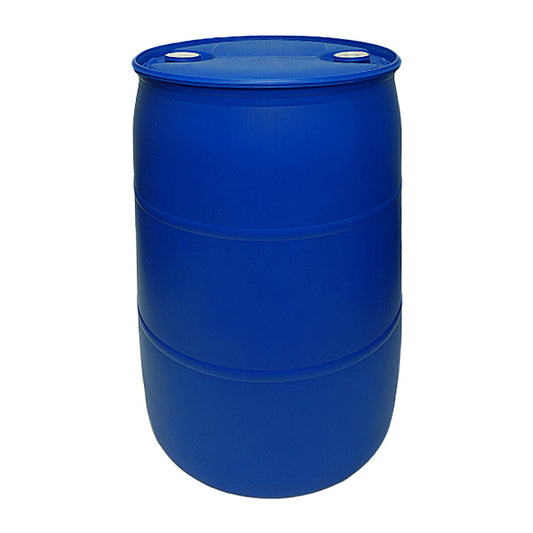
  • Water storage containers that allow larger volumes of water to be stored economically for extended emergencies

Using both methods helps organizations prepare for short-term and longer-duration incidents.

Designed for Schools, Workplaces, and Public Facilities

Emergency water supplies are commonly stored in:

  • Classrooms and administrative spaces
  • Offices, warehouses, and facilities rooms
  • Emergency supply closets and preparedness storage areas
  • Centralized storage locations for bulk water containers

These supplies support shelter-in-place procedures, disaster planning, and continuity of operations.

Long Shelf Life and Low Maintenance Storage

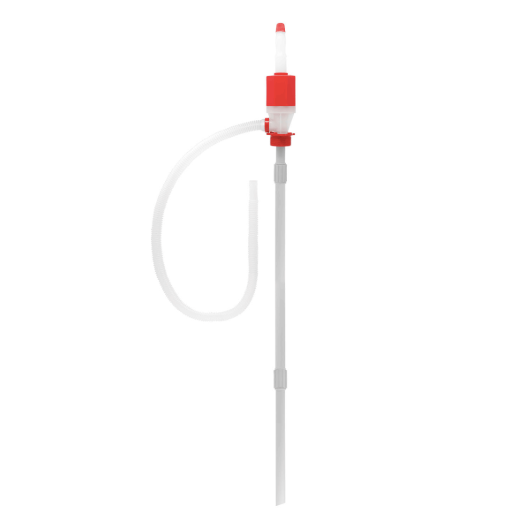
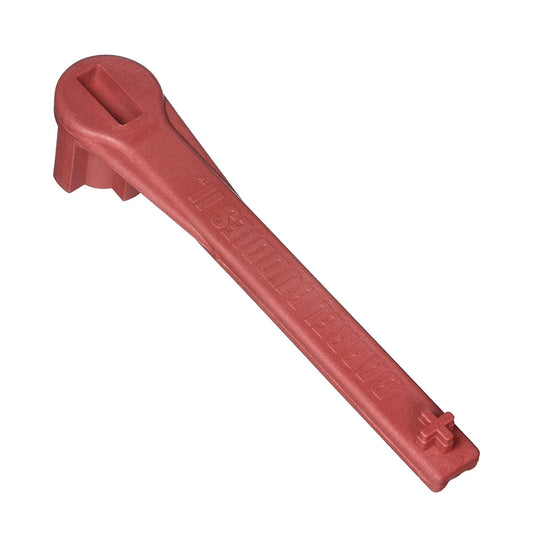
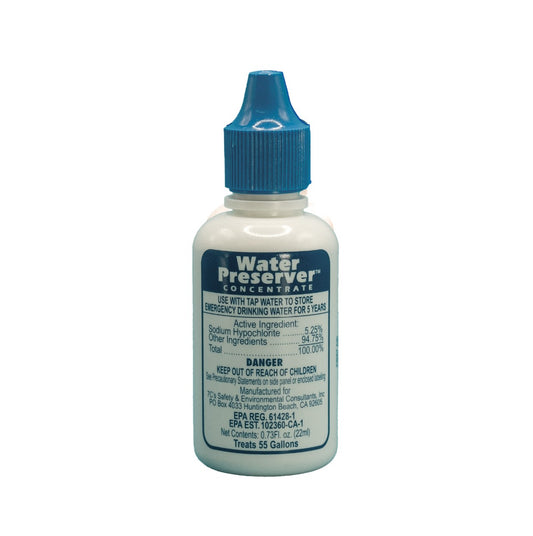
Emergency drinking water products are sealed for multi-year shelf life and require little maintenance. Water storage barrels and containers provide a cost-effective way to store larger quantities of water when properly treated and maintained as part of a preparedness program.

When to Use Emergency Water Supplies

These supplies are used when normal water service is disrupted or when occupants must remain on site during an emergency for an extended period.

Emergency Water FAQ for Organizations

How much emergency water should a school or workplace store?

A common planning baseline is at least one gallon of water per person per day for drinking and basic sanitation. Many facilities plan for 24–72 hours or longer depending on their emergency procedures and risk profile.

What is the difference between emergency water pouches and water storage barrels?

Water pouches are ready for immediate distribution and have long shelf life with minimal maintenance. Water barrels and containers allow facilities to store larger volumes of water economically for extended emergencies.

Where should emergency water be stored in a facility?

Water should be stored in cool, accessible locations such as supply rooms, storage closets, or distributed across buildings to ensure availability during an incident.

Do water storage containers require maintenance?

Yes. Containers should be sanitized, filled with treated water, and checked periodically as part of a facility’s preparedness maintenance plan.

Is emergency water part of shelter-in-place planning?

Yes. Emergency water is a key component of shelter-in-place and disaster preparedness plans for schools, workplaces, and public facilities.

How long does emergency drinking water last?

Many emergency water products are sealed for multi-year shelf life. Always follow the manufacturer’s date guidelines and include water in your regular preparedness review schedule.