Why Emergency Food Is Part of Emergency Planning
During an extended emergency, access to normal food sources may be limited or unavailable. Power outages, natural disasters, lockdowns, and supply chain disruptions can leave occupants without reliable access to meals. Emergency food supplies allow organizations to maintain basic nutrition and stability until normal conditions return or assistance arrives. Having food on hand also reduces anxiety, supports decision-making, and helps maintain order during stressful situations.
Choosing the Right Emergency Food Format
More Prepared carries emergency food in three formats to support different program requirements:
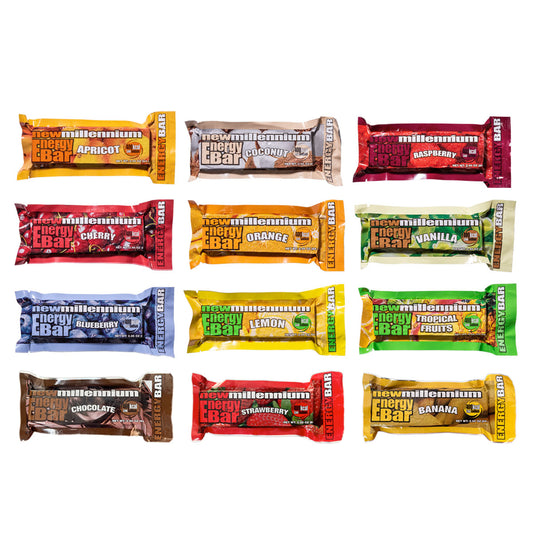
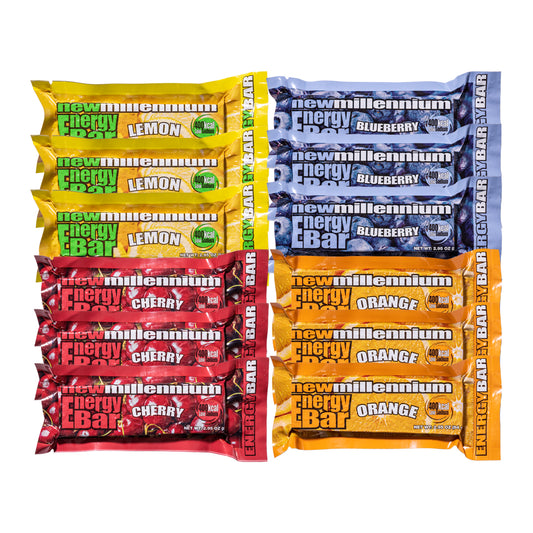
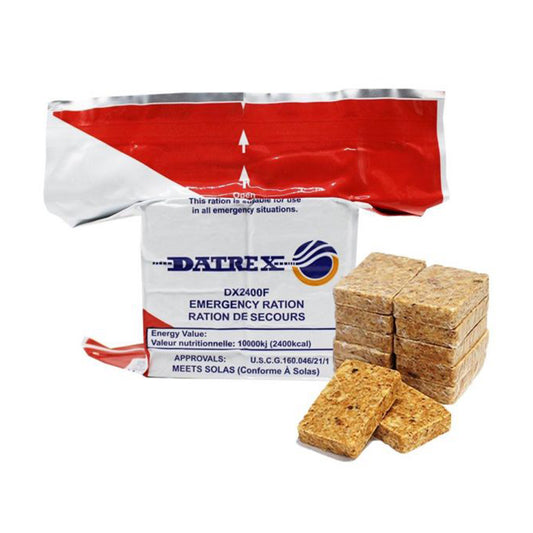
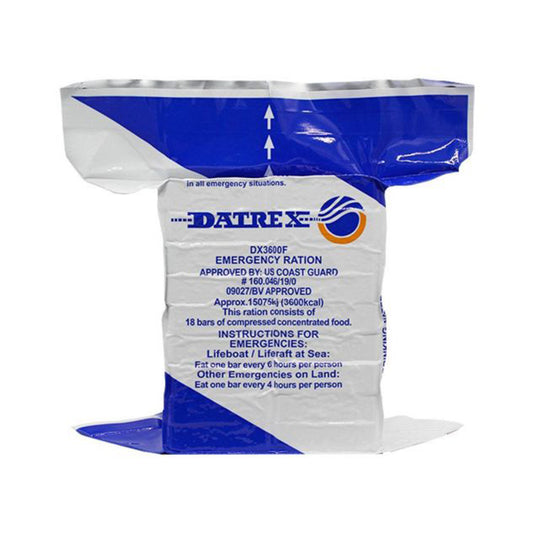
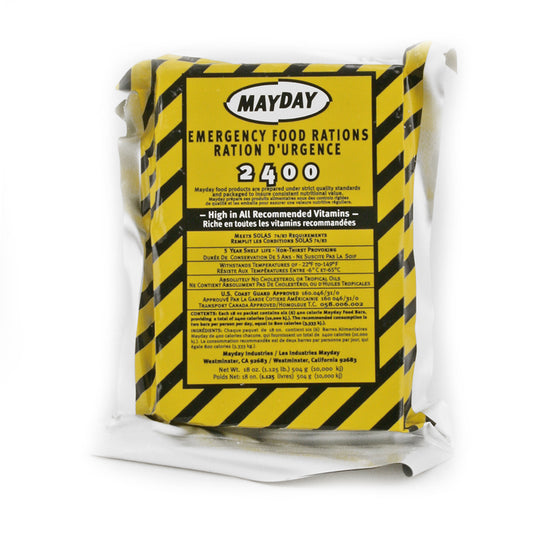
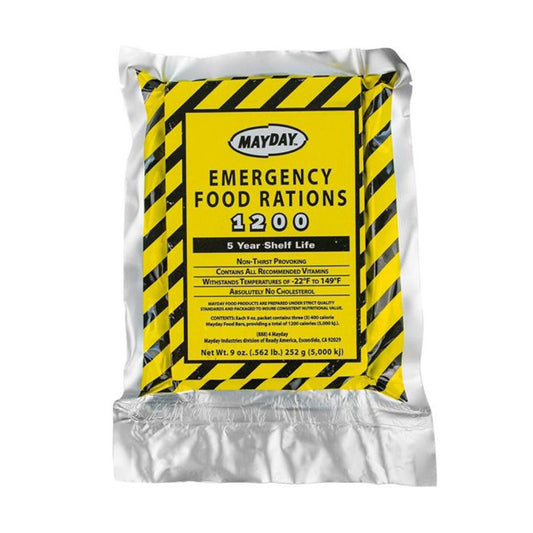
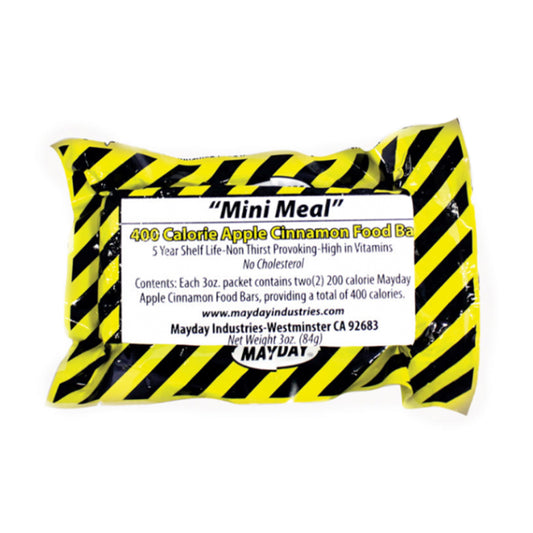
Emergency food bars — compact, individually wrapped calorie-dense bars with shelf lives of up to 5 years (SOS, Mayday, Datrex, Mainstay) or longer (New Millennium). US Coast Guard approved. Require no preparation, no water, and no utensils. Ideal for kit assembly, classroom and office emergency supplies, and distribution programs. SOS and Mainstay are kosher certified. Mayday and Datrex carry additional SOLAS international maritime approval. New Millennium bars are available in up to 12 fruit flavors — making them particularly popular for student and family kits. All made in the USA.
MREs (Meals Ready to Eat) — complete self-contained meals requiring no refrigeration and minimal preparation. MRE Star offers standard, vegetarian, halal, and no-gluten configurations — making them suitable for programs serving diverse dietary needs. AmeriQual provides additional MRE options for larger institutional deployments. Shelf lives of up to 5 years at moderate storage temperatures. Ideal for extended shelter-in-place programs, workplace emergency supply rooms, and government agency food stockpiling.
Freeze-dried meals — Mountain House and ReadyWise provide lightweight, long-shelf-life meal options (up to 25-30 years) requiring only water to prepare. Ideal for longer-duration emergency programs, outdoor and remote applications, and organizations seeking maximum shelf life with minimal rotation.
Designed for Schools, Workplaces, and Public Facilities
Emergency food is commonly stored in classrooms and administrative areas, office buildings and warehouses, healthcare and government facilities, and emergency supply rooms and preparedness closets. These supplies are intended to support groups of people during situations where leaving the building is unsafe or regular food service is interrupted. Available in individual units for single-person kits and in cases and pallets for facility-wide and campus-wide stockpiling programs.
Supports Shelter-in-Place and Disaster Preparedness Plans
Emergency food is often included as part of broader preparedness programs including shelter-in-place planning, disaster preparedness and continuity plans, school and workplace emergency procedures, and public agency emergency supply programs. It helps translate written preparedness plans into practical on-site resources that are immediately accessible when needed.
Frequently Asked Questions
What types of emergency food does More Prepared carry?
More Prepared carries US Coast Guard approved emergency food bars (SOS, Mayday, Datrex, Mainstay, New Millennium), MRE complete meals (MRE Star and AmeriQual), and freeze-dried meals (Mountain House and ReadyWise). Each format is suited to different program requirements, storage conditions, and dietary needs.
How many calories does a person need during an emergency?
A common planning approach is 1,200–2,400 calories per person per day for basic energy needs during a shelter-in-place or emergency event. Emergency food bars typically provide 400 calories per individually wrapped segment. A standard 2,400-calorie food bar provides 6 segments — one full day of minimum caloric intake for one person. MREs typically provide 1,200–1,300 calories per complete meal. Plan caloric requirements based on occupant count, expected duration, and activity level.
What is the difference between food bars, MREs, and freeze-dried meals?
Emergency food bars require no preparation, no water, and no utensils — making them the simplest option for kit assembly and short-duration distribution. MREs are complete self-contained meals that can be eaten cold or heated using the included flameless ration heater — providing more variety and a full meal experience. Freeze-dried meals require only water to prepare and offer the longest shelf lives of up to 25-30 years, making them ideal for longer-duration programs.
What dietary options are available?
MRE Star offers standard, vegetarian, halal, and no-gluten MRE configurations. New Millennium food bars are available in up to 12 fruit flavors. SOS and Mainstay food bars are kosher certified. Contact us at 888.733.7245 or quotes@moreprepared.com to discuss dietary requirement planning for your program.
How long does emergency food last in storage?
Shelf life varies by product. US Coast Guard approved food bars carry up to 5-year shelf lives. New Millennium bars carry longer shelf lives. MREs carry up to 5 years at moderate storage temperatures — shelf life decreases significantly at higher temperatures. Freeze-dried meals from Mountain House and ReadyWise carry shelf lives of up to 25-30 years. Store all emergency food in cool dry locations away from direct sunlight and extreme temperatures to maximize shelf life.
How much emergency food should I stock per person?
Plan based on occupant count, expected duration, and caloric requirements. A simple baseline is one 2,400-calorie food bar per person per day for short-duration programs of 1–3 days. For longer programs or more comprehensive nutrition, supplement with MREs or freeze-dried meals. Contact our team for help calculating requirements for your specific facility or program.
Is bulk purchasing available?
Yes. All More Prepared emergency food products are available by the case and pallet. Purchase orders, tax-exempt orders, GSA contract, CMAS, and cooperative purchasing are available for qualifying organizations. Contact us at 888.733.7245 or quotes@moreprepared.com for volume pricing and institutional program support.
What should I do with food close to expiration?
Rotate using a first-in, first-out system. Consider donating expiring food locally to food banks, shelters, or community organizations so it is used rather than discarded. For large institutional programs, schedule rotation cycles based on the shelf life of your primary food format and budget for replenishment accordingly.
Contract Vehicles & Purchasing Options
- GSA MAS Schedule
- EPCNT
- CTPA
- CMAS (California Multiple Award Schedule)
- Cooperative purchasing available
- Purchase orders accepted
- Tax-exempt orders accepted
- W-9, COI, and SAM.gov registration available upon request
About More Prepared
More Prepared LLC is an SBA-certified woman-owned small business (WOSB) and WBENC-certified woman-owned business headquartered in Torrance, California. We have been supplying emergency preparedness equipment to schools, businesses, and government agencies since 2005.